Patronage

Seven classics

It’s better with our wagyu.

Every one of these dishes was written for good beef. Fullblood Midwestern wagyu is the best beef you can put in them.

Boeuf bourguignon

Burgundy beef stew
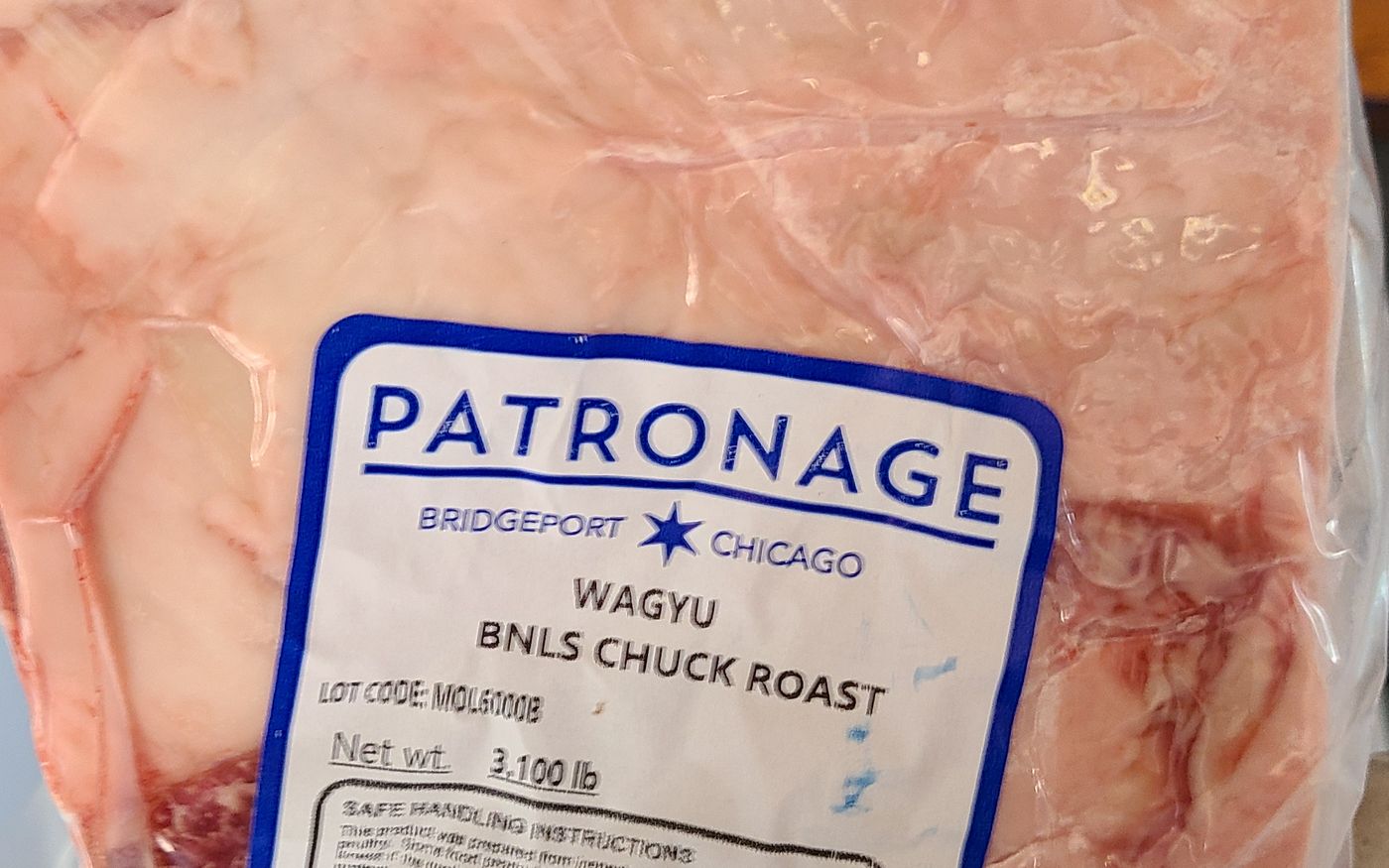
Wagyu chuck roast

The cut

Chuck roast, cut into two-inch pieces.

Why it’s better with wagyu

Bourguignon lives on collagen and fat rendering into the wine over three hours. Wagyu chuck carries more of both than any other beef, so the pieces stay silky instead of stringy and the sauce comes out glossy without a knob of butter at the end.

How we’d do it

  1. Cut a 3 lb wagyu chuck roast into 2-inch pieces, salt, and brown hard in batches. Don’t crowd the pot.
  2. Soften onion, carrot and a few cloves of garlic in the rendered fat. Add a spoon of tomato paste and cook it dark.
  3. Return the beef, add a bottle of pinot noir and enough stock to nearly cover, plus thyme and a bay leaf.
  4. Cover and braise at 325°F for about 3 hours, until a fork twists through the meat.
  5. Brown mushrooms and pearl onions separately in butter and stir in at the end.
  6. Rest 15 minutes, skim, salt to taste. Better the next day.

A whole chuck roast comes in every share. The Sweet Sixteenth includes a 3 lb roast that does this job. Get on the list.
Filet au poivre

Pepper-crusted tenderloin

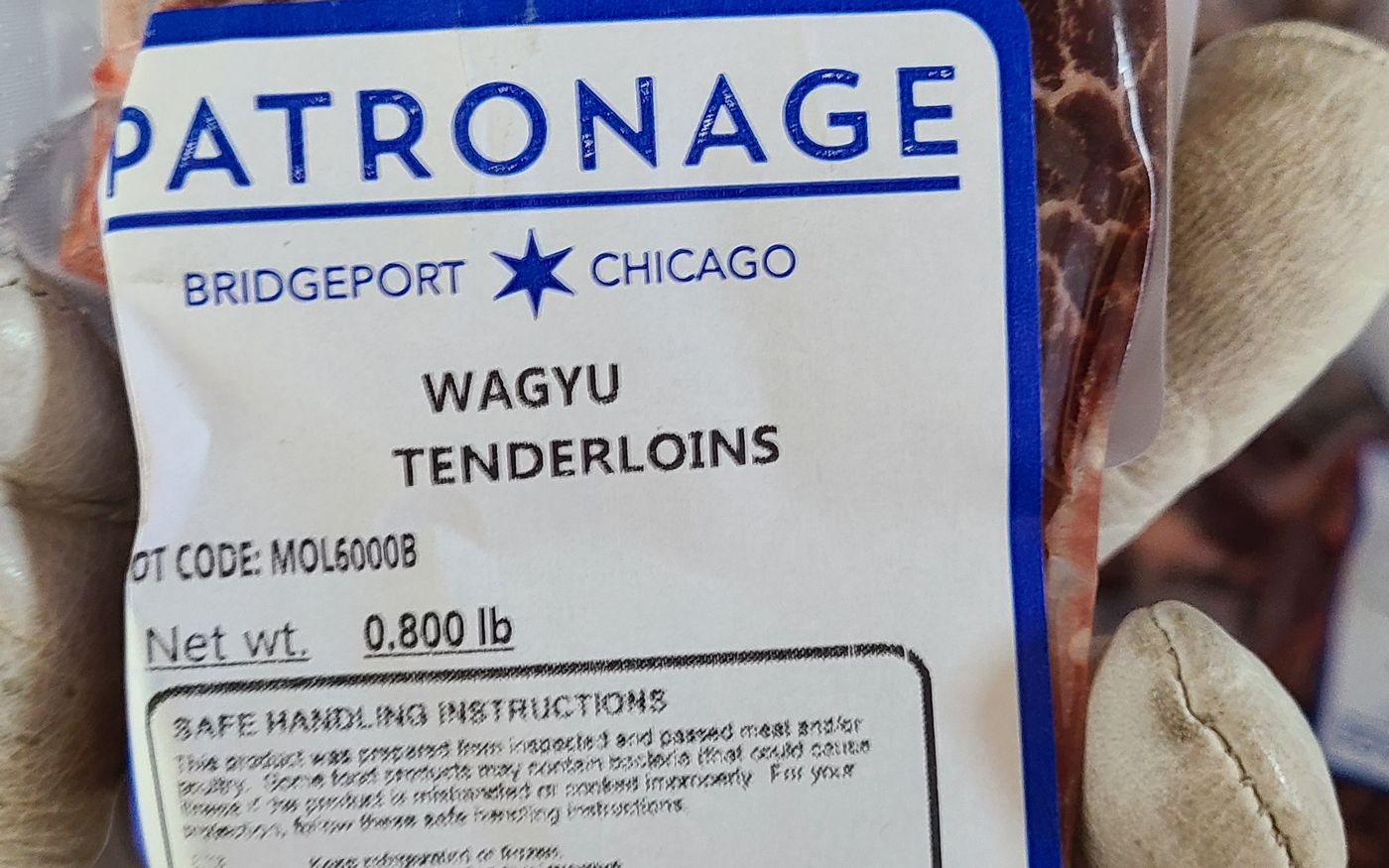
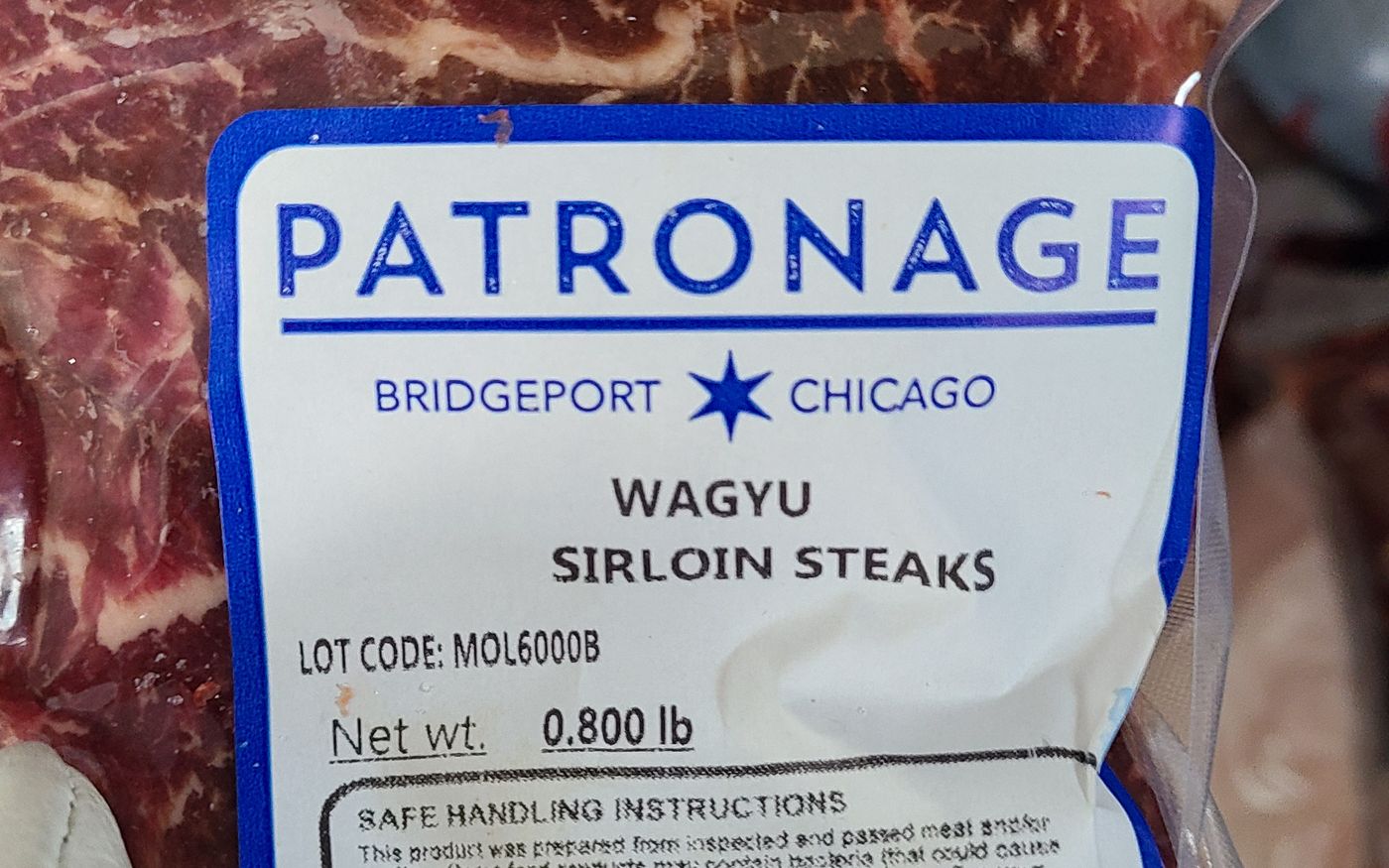
Wagyu center-cut tenderloin

The cut

Center-cut tenderloin, cut into 2-inch filets.

Why it’s better with wagyu

Ordinary filet is lean, which is why the dish needs a cream sauce to taste of anything. Wagyu tenderloin has fat running through the muscle, so the steak itself has flavor and the pepper crust has something to hold on to.

How we’d do it

  1. Crack a heaping tablespoon of black peppercorns coarse. Press into both faces of two 8 oz wagyu filets. Salt.
  2. Sear in a dry cast-iron pan over high heat, about 3 minutes a side for medium-rare. Wagyu renders its own fat; skip the oil.
  3. Rest the steaks. Off the heat, add a splash of cognac to the pan and light it or let it cook off.
  4. Add a half cup of stock, reduce by half, then a quarter cup of cream and a spoon of Dijon. Simmer to coat a spoon.
  5. Pour over the filets. Serve with frites and nothing else.

Tenderloin comes in the quarter, half and whole shares. Pick it in the cut menu. Get on the list.

Steak Diane

Tenderloin medallions in a mushroom cognac pan sauce

Wagyu tenderloin medallions

The cut

Tenderloin medallions, pounded to ¾ inch.

Why it’s better with wagyu

Diane is a fast pan dish. Thin medallions overcook in seconds and turn grey with lean beef. Wagyu forgives the clock: the intramuscular fat keeps a thin medallion juicy even at medium.

How we’d do it

  1. Pound four 4 oz wagyu tenderloin medallions to ¾ inch. Salt and pepper.
  2. Sear in a hot pan 90 seconds a side. Remove.
  3. In the same pan, cook a minced shallot and a handful of sliced mushrooms until they give up their water.
  4. Add 2 tablespoons cognac, then a half cup of stock, a tablespoon of Worcestershire and a teaspoon of Dijon. Reduce.
  5. Finish with a quarter cup of cream and a tablespoon of butter. Return the steaks for a minute to warm through. Parsley.

Tenderloin comes in the quarter, half and whole shares. Get on the list.

Chateaubriand

Roasted center-cut tenderloin for two

Wagyu center-cut tenderloin roast

The cut

Center-cut tenderloin roast, 1½ to 2 lb.

Why it’s better with wagyu

Chateaubriand is the thickest, most even piece of the tenderloin, roasted whole and sliced at the table. It is judged on tenderness and on how the center looks. Wagyu tenderloin is the most tender beef there is, and the marbling keeps the center pink and wet from edge to edge.

How we’d do it

  1. Bring a 1½ to 2 lb center-cut wagyu tenderloin to room temperature. Salt heavily and tie it at 1-inch intervals so it cooks evenly.
  2. Sear on all sides in a hot pan, 6 to 8 minutes total.
  3. Roast at 400°F to an internal temperature of 120°F for rare, about 15 to 20 minutes. Wagyu is best on the rare side of medium-rare.
  4. Rest 10 minutes under foil. Slice thick.
  5. Serve with a béarnaise or a simple red-wine reduction and château potatoes.

Chateaubriand needs the center of the tenderloin. It comes in the quarter, half and whole shares. Get on the list.

Steak tartare

Hand-cut raw beef, dressed

Wagyu tenderloin or top sirloin

The cut

Tenderloin or top sirloin, trimmed, hand-cut.

Why it’s better with wagyu

Tartare has nowhere to hide. It is the beef, cold, with a little seasoning. Wagyu fat melts at close to body temperature, so wagyu tartare tastes rich on the tongue in a way that lean tartare never does. Ask for a whole piece and cut it yourself: never use ground.

How we’d do it

  1. Chill a half pound of wagyu tenderloin or top sirloin in the freezer for 20 minutes, then trim every bit of silverskin.
  2. Cut into thin slices, then strips, then a fine dice. Keep it cold.
  3. Fold in a minced shallot, a tablespoon of capers, a teaspoon of Dijon, a few dashes of Worcestershire, and a tablespoon of good olive oil. Salt and pepper.
  4. Shape onto cold plates, make a well, and drop in an egg yolk.
  5. Toast, cornichons, and eat it within the hour.

Tenderloin and top sirloin come in the quarter, half and whole shares. Tell your wagyu guy it’s for tartare and he’ll set aside a clean piece. Get on the list.

Beef Wellington

Tenderloin in duxelles and pastry

Wagyu center-cut tenderloin

The cut

Center-cut tenderloin, 2 lb.

Why it’s better with wagyu

Wellington is a long cook wrapped in pastry, and lean tenderloin dries out inside it. Wagyu tenderloin bastes itself from the inside while the pastry browns, so the center comes out pink and the mushroom layer picks up beef fat instead of giving up its moisture.

How we’d do it

  1. Salt a 2 lb center-cut wagyu tenderloin, sear on all sides, and brush with Dijon while warm. Chill.
  2. Cook a pound of finely chopped mushrooms with a shallot and thyme until completely dry. Cool.
  3. Lay out overlapping prosciutto on plastic wrap, spread the mushrooms over it, and roll the beef up tight. Chill an hour.
  4. Wrap in puff pastry, seal, egg wash, and score. Chill again.
  5. Bake at 425°F to 115°F internal, about 25 to 30 minutes. Rest 10 minutes before slicing.

Tenderloin comes in the quarter, half and whole shares. Get on the list.

Côte de boeuf

Bone-in ribeye for two

Wagyu bone-in ribeye

The cut

Bone-in ribeye, 2 to 2½ inches thick.

Why it’s better with wagyu

Côte de boeuf is just a thick bone-in ribeye cooked well, and the ribeye is the cut where wagyu is most obviously different. The eye is marbled all the way through, the cap is the richest piece on the animal, and the bone keeps it from overcooking near the edge.

How we’d do it

  1. Salt a 2-inch bone-in wagyu ribeye at least an hour ahead. Pat dry.
  2. Sear in a hot cast-iron pan, 3 minutes a side, then stand it on the fat cap to render for a minute.
  3. Finish in a 375°F oven to 120°F internal, 10 to 15 minutes. Wagyu fat is best just past rare.
  4. Rest 10 minutes. Slice off the bone and across the grain.
  5. Flaky salt. Maybe a shallot butter. Nothing that argues with it.

Bone-in ribeye comes in the quarter, half and whole shares. The Sweet Sixteenth often includes ribeye steaks, cut thinner. Get on the list.

Just want a box? The Sweet Sixteenth: 25 to 30 lb, $400 delivered.

And just so you know, we aren’t selling anything other than 100% fullblood Midwestern wagyu.

The information you gave us is for us only. Your wagyu guy would never do that.